
PLENARY & BREAKOUT SPEAKER
Art Middlekauff
Charlotte Mason Poetry
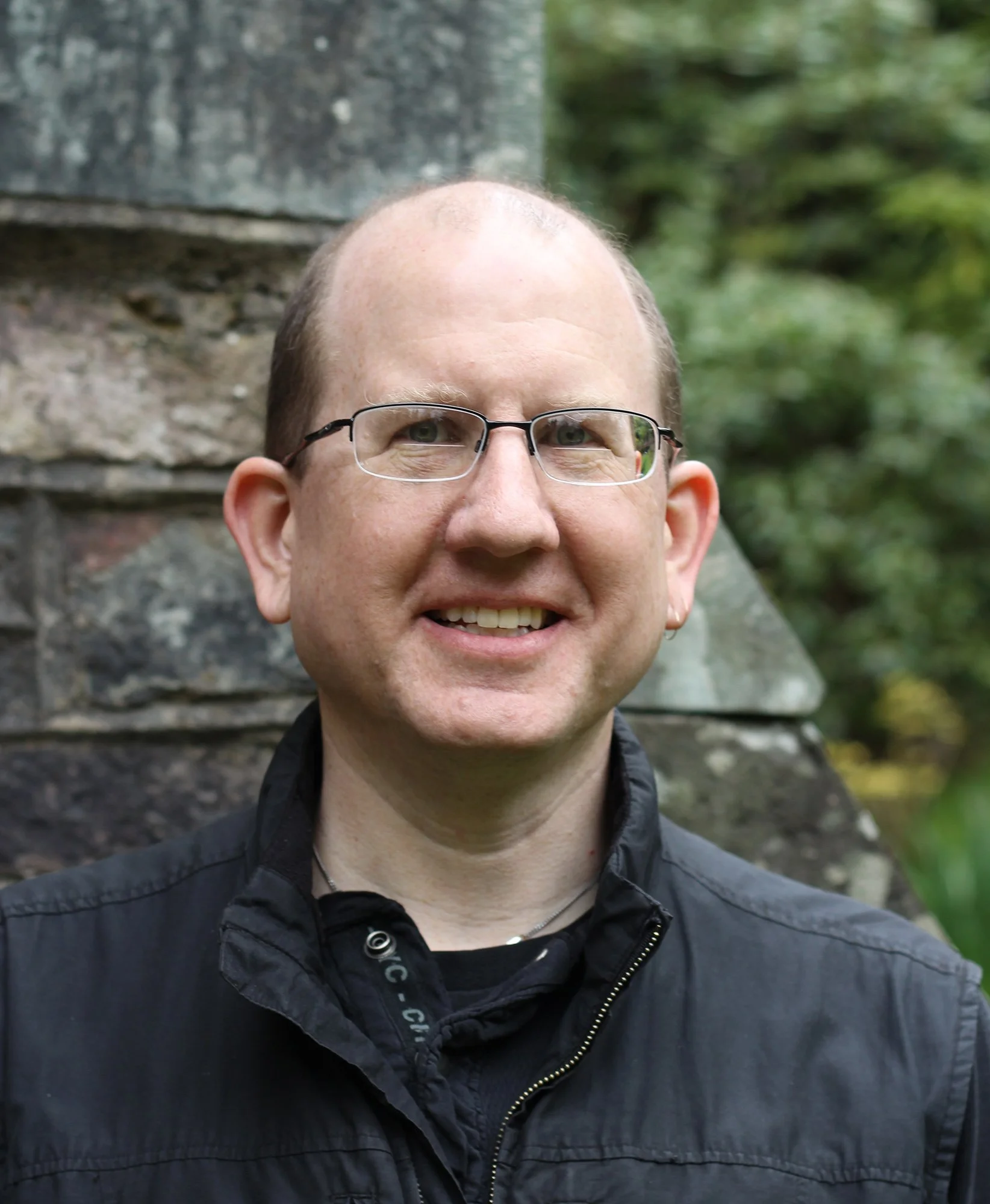
Art and his wife Barbara home-educated their three children for more than two decades. Over that time, Art studied Charlotte Mason’s writings in order to apply her living ideas to his family’s homeschool. Art is the author of The Charlotte Mason Junior Math Series. He has also written several essays about Charlotte Mason’s theology and philosophy, which have been published in the two volumes of Essays on the Life and Work of Charlotte Mason, published by Riverbend Press. Art has produced a popular video about Charlotte Mason’s twenty principles. Art walks in Mason’s theological tradition as a member of an Anglican church near Detroit, and he shares regularly on the Charlotte Mason Poetry podcast and website.
ABOUT ART
Find Art online:
Charlotte Mason Poetry | Instagram
An Abundant and Delicate Feast
PLENARY SESSION
For centuries, philosophers and educators have discussed and debated the question of what children should be taught: what the curriculum should be. Charlotte Mason believed that much of this debate has been misguided: “We labour under the mistake of supposing that there is no natural law or inherent principle according to which a child’s course of studies should be regulated.” Miss Mason then asked very simple question: “But what if in the very nature of things we find a complete curriculum suggested?” She looked intothe nature of the child and found a full and living person: a person with the right to “an abundant and delicate feast.” In this session we will explore the ”full and generous curriculum” that Charlotte Mason proposed.
BREAKOUT SESSION
Mason’s program
for Bible lessons
Charlotte Mason wrote, “Now our objective in this most important part of education is to give the children the knowledge of God.” Mason did not approach this “most important part of education” in a haphazard fashion; rather, she developed a progressive program of study for children from ages 6 to 18 that is breathtaking in its simplicity, elegance, and efficacy. In this session, we will review the content, sequence, and structure that Mason developed for Bible lessons for Forms I through VI. With the understanding that education is the science of relations, we will explore her approach to facilitate the most important relationship of all.
Free To Obey
PLENARY SESSION
“Children are born persons.” Every discussion about the Charlotte Mason method begins with this point. And Mason herself developed one of its most important implications: “Children are persons; ergo, children must have liberty.” In line with this liberty, Mason insisted that “our first care should be to preserve the individuality, give play to the personality, of children.” Embracing Charlotte Mason’s first principle, then, would seem to involve giving up control. How can we “give play” to the personality of our children without “giving away” our claim to authority? In this session we will explore Mason’s surprising answer as we discuss the true nature of freedom.